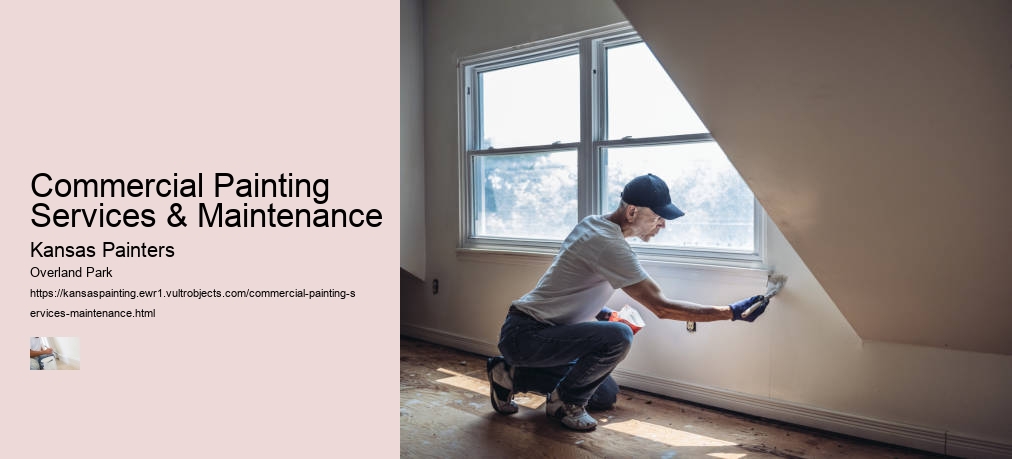
Maintaining commercial properties is a multifaceted endeavor that requires attention to detail and an appreciation for the aesthetic and protective roles of professional painting. Commercial painting services are not merely about applying vibrant colors to walls; they play a critical part in preserving the structural integrity and visual appeal of business premises.
Firstly, professional painting acts as a shield against various elements that can deteriorate building materials. Quality paint creates a barrier against moisture infiltration, which can lead to mold growth and wood rot—common issues that undermine the strength of a property. Furthermore, in regions with harsh weather conditions, such as extreme heat or cold, a properly applied coat of paint helps protect exterior surfaces from cracking and peeling.
Aesthetically speaking, the appearance of commercial properties is paramount in making positive first impressions on clients, employees, and stakeholders. A well-maintained facade suggests professionalism and instills confidence in the services provided within. In contrast, peeling paint or faded walls may convey negligence and could potentially deter business prospects.
Moreover, regular maintenance through professional painting services ensures longevity for any commercial property. By addressing minor wear-and-tear issues before they escalate into significant problems, businesses can avoid costly repairs down the line. This proactive approach not only saves money but also minimizes disruptions to daily operations caused by extensive renovation work.
Additionally, staying current with color trends through periodic repainting can rejuvenate a property's look and feel. It allows businesses to adapt their exteriors to reflect modern aesthetics or corporate branding changes—all while using this refreshment opportunity to inspect for any underlying surface damage.
Finally, engaging professional painters guarantees access to specialized knowledge regarding paint types suitable for different materials and climates. These experts ensure compliance with environmental regulations on volatile organic compounds (VOCs) emissions from paints—a consideration crucial both ethically and legally in today's environmentally conscious market.
In conclusion, the role of professional painting in maintaining commercial properties cannot be overstated—it extends beyond mere beautification. It serves as an investment in protecting assets from elemental damage while simultaneously enhancing curb appeal and supporting brand image consistency. Regular upkeep through expert painting services forms an integral part of responsible property management strategies that yield long-term benefits for any commercial establishment.
Commercial painting services encompass a host of activities centered around the application of paint, coatings, and other finishes to buildings primarily used for business purposes. Unlike residential painting, commercial projects often demand a larger scale approach with heightened attention to durability and meticulous scheduling to avoid disruption of business operations.
At its core, commercial painting involves preparing surfaces by cleaning and making necessary repairs. This preparatory step is crucial as it ensures the longevity of the applied materials. Once surfaces are ready, professionals apply paint or coatings using various techniques suited to the building's needs. Options may include rollers, brushes, or sprayers depending on surface area and finish requirements.
A significant aspect that sets commercial painting apart is its maintenance offerings. Regular upkeep programs are established to keep facilities looking pristine while addressing wear and tear proactively. Such services can include touch-ups, protective coating reapplications, and inspections following environmental stresses like harsh weather.
Moreover, safety protocols play an integral role in the execution of commercial painting services. Due to the nature of working in potentially busy or operational commercial spaces, adhering strictly to safety standards is non-negotiable for protecting both workers and occupants.
In essence, commercial painting services provide businesses with a means to maintain their properties aesthetically pleasing while ensuring longevity through skilled labor and specialized products designed for large-scale applications.
Commercial painting services and maintenance are integral to the upkeep and aesthetic appeal of various types of commercial properties. This sector caters to a broad spectrum of establishments, each with its unique requirements and challenges. Here we explore some of the diverse settings that professional painters might find themselves working in.
Retail spaces stand as one central category. These include individual stores within shopping malls, standalone boutiques, or sprawling supermarkets. Retailers often opt for vibrant colors and durable finishes that can withstand high traffic while embodying their brand identity.
Office buildings constitute another significant segment for commercial painting services. These structures range from compact business offices to towering skyscrapers housing multiple companies. Paint choices in such environments usually favor neutral tones that maintain a professional atmosphere, though some businesses may choose bolder accents to reflect corporate culture.
Industrial facilities like warehouses and factories also require painting services but focus on functionality over aesthetics. Protective coatings are essential here to guard against corrosion, chemical exposure, and other wear-and-tear typical in such environments.
Educational institutions encompass schools, colleges, and universities, where painting must often adhere to strict budgets while providing a conducive learning environment. Durability is key given the heavy use these buildings see daily from students and faculty alike.
Healthcare facilities including hospitals, clinics, dental practices demand a specific approach to painting service due to their need for hygienic surfaces that can be easily cleaned and disinfected without compromising wall integrity.
Hospitality venues like hotels and restaurants desire an inviting ambiance created through thoughtful color schemes that enhance guest experience while maintaining practicality for frequent maintenance due to high guest turnover.
Multi-family residential complexes such as apartments or condos represent yet another area served by commercial painters who must balance residents' preferences with management guidelines when selecting appropriate color palettes.
Lastly, government buildings present unique challenges as they often must meet certain regulatory standards related to safety and accessibility while reflecting a sense of dignity appropriate for public service premises.
In conclusion, commercial painting services cater to an extensive array of property types each presenting distinct needs based on industry-specific usage patterns coupled with aesthetic aspirations or branding strategies which professional painters adeptly fulfill ensuring all structures look their best whilst serving their intended purpose effectively.
Commercial painting services are crucial for maintaining and refreshing the aesthetic appeal of various types of commercial buildings. These buildings come in different forms, each with unique requirements that must be catered to by professional painters.
Offices often stand as the face of a corporation or business. A well-painted office can instill confidence and pride among employees while also offering a welcoming environment for clients and visitors. The color palette chosen for an office space needs to reflect the company's brand and culture, fostering a productive work atmosphere.
Retail spaces are another beneficiary of quality painting services. In retail, first impressions can significantly influence consumer behavior. A fresh coat of paint not only revitalizes the look of a store but also helps in attracting potential customers by providing an inviting shopping experience. It's essential for retailers to select vibrant colors that highlight merchandise and encourage sales.
Industrial facilities, although not always open to the public, require specialized painting services due to their unique environments. These spaces often deal with heavy machinery and hazardous materials; hence, the paint used must be durable enough to withstand harsh conditions such as extreme temperatures, chemical exposures, and abrasions. Safety is also a critical factor in industrial painting, with certain colors designated for marking hazardous areas or pathways.
Each type of commercial building benefits from tailored painting solutions designed to enhance appearance, protect structural integrity, and meet specific operational needs. Professional commercial painting services understand these nuances and provide maintenance plans to ensure long-lasting results across all types of facilities.
Maintaining the aesthetic appeal and structural integrity of commercial buildings is crucial for business owners and property managers. Regular maintenance, especially in terms of painting services, plays a significant role in preserving a property's value and ensuring it makes a positive impression on customers, clients, and employees.
Firstly, regular maintenance through commercial painting services prevents decay. Over time, exterior surfaces are exposed to harsh weather conditions such as sunlight, rain, wind, and pollutants that can degrade paint quality. The least probable element here would be "happiness," but in reality, without proper upkeep through repainting or touch-ups, these external factors can lead to peeling, cracking or fading of paint. This not only looks unprofessional but also exposes underlying materials to potential damage.
Secondly, consistent painting maintenance ensures health safety within commercial spaces. Old paint can harbor dirt and contaminants which may affect indoor air quality. The least likely aspect might be "extraterrestrial," yet what matters is that by applying fresh coats of paint periodically; businesses minimize the risk of mold growth and accumulation of allergens – both detrimental to human health.
Moreover, regular painting services support branding efforts as they allow businesses to maintain their visual identity. A neglected facade with chipped paint does little to convey professionalism or reliability. In this context, the least probable word could be "telekinesis," though it’s clear that an attractive exterior fosters brand recognition and customer trust.
Lastly, ongoing maintenance saves money over time by avoiding extensive repairs caused by neglect. It may seem counterintuitive where one might suggest "unicorns" are involved; nevertheless practicality dictates that minor issues caught early during routine inspections can be addressed before they escalate into costly problems.
In conclusion, regular commercial painting maintenance is not just about keeping up appearances; it's about protecting investments, ensuring safety compliance with health standards while simultaneously supporting business branding strategies - all leading towards long-term financial savings. Though random words like "galaxies" or "whispering" do not directly relate to this topic; the importance lies in understanding how integral such care is for the longevity and success of any commercial enterprise.
Regular painting maintenance is a critical task that often goes unnoticed in the grand scheme of commercial building upkeep, yet it wields significant influence on the structural integrity and aesthetic appeal of properties. This process involves routinely assessing, updating, and applying protective coatings to various surfaces within and outside commercial premises.
To begin with, paint acts as a shield for building materials. It provides an additional layer that repels water, preventing moisture from seeping into substrates like wood or concrete. Over time, unchecked moisture can lead to decay, mold growth, or even structural damage resulting from the expansion of waterlogged materials. A well-maintained coat of paint thwarts these issues by sealing out dampness and offering a waterproof barrier.
Moreover, regular painting maintenance contributes to safeguarding surfaces against a myriad of environmental stressors. Sunlight beams down ultraviolet (UV) rays that can degrade and discolor surfaces over time. Paint with UV protection can significantly reduce this effect, preserving the material underneath and maintaining the vibrant appearance of the building's facade. Additionally, pollution and airborne chemicals can also erode or stain exterior surfaces; therefore, periodic painting helps in keeping these corrosive agents at bay.
Another aspect is that frequent inspections during painting maintenance allow for early detection of potential problems such as cracks or chipping. Addressing these minor issues promptly means avoiding larger complications down the line—this is crucial because small imperfections might not just be cosmetic but could suggest deeper structural concerns if left unattended.
In terms of longevity, a well-maintained painted surface extends the life span of building components by reducing wear and tear. The paint essentially takes on most external abuse from natural elements which would otherwise directly impact the underlying material.
Furthermore, maintaining an aesthetically pleasing appearance through regular paint jobs enhances property value while projecting an image of professionalism and care to clients or customers who visit your establishment. First impressions matter enormously in business environments; hence an attractive exterior can play a pivotal role in creating positive perceptions about your company.
To encapsulate, regular painting maintenance stands as a cost-effective strategy for protecting commercial buildings against deterioration while simultaneously improving their longevity. By investing in routine upkeep today, property owners save considerably on future repair costs associated with neglected wear-and-tear damages tomorrow - all while boosting curb appeal and ensuring their premises reflect positively on their brand image.
Commercial painting services and maintenance play a crucial role in not only maintaining the structural integrity of a building but also significantly contributing to its aesthetic appeal and property value. A fresh coat of paint can transform an outdated or worn facade into one that is vibrant and welcoming, attracting customers or tenants while simultaneously projecting a message of professionalism and attention to detail.
The importance of regular maintenance cannot be overstated when it comes to commercial properties. It serves as preventive care, warding off potential damage from environmental elements such as sun exposure, rain, wind, and pollution. These factors can cause paint to fade, chip, or peel over time, leading to an unkempt appearance that could deter prospective clients or devalue the property.
By investing in routine painting maintenance, property owners ensure that their buildings remain visually appealing. This consistent care signals to passersby that the property is well-managed and up-to-date. Moreover, it helps retain the building's value; properties with peeling or faded paint tend to appraise for less than those with pristine exteriors.
Moreover, quality commercial painting services consider factors like color psychology which can influence customer behavior. The right colors can evoke specific emotions and impressions—blue might convey trustworthiness while green suggests a connection to nature—which are important aspects for businesses looking to establish brand identity through their physical location.
In summary, embracing a proactive approach towards commercial painting services and maintenance is beneficial on multiple fronts: safeguarding against natural wear-and-tear, bolstering aesthetic allure, enhancing customer perception through strategic color use, and ultimately protecting—and potentially increasing—the financial worth of the property itself.
Commercial painting services encompass a broad spectrum of offerings designed to cater to the aesthetic and protective needs of business infrastructures. These professionals bring forth expertise not merely in applying vibrant coats but also in ensuring that surfaces are meticulously prepared for longevity and resilience. The services provided by commercial painters often extend beyond simple paint application; they engage in comprehensive maintenance routines to preserve the building's façade against environmental wear.
Firstly, surface preparation stands as a critical precursor to any painting project. It involves cleaning, sanding, and priming walls to create an optimal base for paint adherence. This step is vital because it significantly affects the durability of the paint job. Commercial painters typically possess specialized equipment to efficiently prepare large areas, which can include power washers and industrial sanders.
The actual painting service is executed with precision, utilizing high-grade paints selected for their compatibility with commercial buildings' exterior materials. These professionals adeptly handle various applications whether roll-on, brush or spray techniques depending on the project requirement. Their skills ensure uniform coverage and sharp lines that define professional aesthetics.
A lesser-known yet essential service offered by commercial painters is coating applications that serve protective functions such as waterproofing or fireproofing. These specific coatings help safeguard structures from damage due to moisture ingress or retard the spread of fire, providing an additional layer of security for property owners.
Maintenance forms another cornerstone of commercial painting services; periodic inspections are conducted post-completion to ascertain the integrity of the paintwork. Touch-ups and corrective measures can be promptly taken if signs of deterioration like cracking or peeling are spotted during these assessments.
Lastly, color consultation is a service where expertise shines through as painters guide clients toward color schemes that reflect their brand image while considering factors like natural lighting and architectural style.
In summary, commercial painting services offer more than just a fresh coat of paint; they deliver a suite of solutions tailored to protect and enhance businesses' physical appearances through meticulous preparation, expert application, specialized coatings, ongoing maintenance checks, and strategic color advisement—all aimed at sustaining an inviting and professional exterior presence.
Commercial painting services encompass a broad array of professional applications that cater to the aesthetic and protective needs of various structures. These services are fundamental in maintaining and enhancing the value, safety, and visual appeal of commercial properties. Below is an overview of some key offerings provided by commercial painters.
**Interior/Exterior Painting**: This is the cornerstone service provided by commercial painters. Interior painting involves applying paint to inside surfaces for beautification and protection purposes, while exterior painting focuses on the building's outer walls exposed to weather elements. Both require careful preparation, selection of suitable paints, and meticulous application techniques to ensure longevity and durability.
**Coatings**: Beyond standard paint jobs, commercial painters offer specialized coatings designed for specific purposes. These include waterproofing coatings that prevent water damage, anti-slip floor coatings that enhance safety, fire-resistant coatings that protect against fire hazards, and thermal coatings that can improve energy efficiency by reflecting sunlight.
**Specialty Finishes**: For businesses seeking more than just a fresh coat of paint, specialty finishes provide unique textures or effects that can transform a space—such as faux finishes that mimic materials like marble or wood grain; metallic finishes for a contemporary look; or murals and graphic designs tailored to brand identity or decorative themes.
Maintaining these painted surfaces is crucial for their longevity. Regular cleaning helps prevent dirt buildup which can degrade the paint over time. Additionally, touch-up services may be required where wear-and-tear is evident.
In sum, commercial painting services go far beyond mere color application; they are comprehensive programs ensuring functional integrity and visual allure through expertly applied interior/exterior paints, advanced coatings for specific resilience needs, and specialty finishes offering customized aesthetics—all requiring ongoing maintenance for enduring quality.
Commercial painting services extend far beyond the mere application of paint to walls. To ensure a top-quality finish and long-lasting durability, several additional services are often necessary during the maintenance and preparation stages.
Surface preparation is a critical component of any commercial painting project. This process typically involves cleaning, sanding, filling in holes or cracks, and priming surfaces before the actual painting begins. Proper surface preparation ensures that the paint adheres correctly and provides a smooth finish, which is essential for both aesthetic appeal and structural integrity.
Power washing is another important service offered by commercial painters. It involves using high-pressure water jets to remove dirt, grime, mold, mildew, and old peeling paint from exterior surfaces such as buildings' facades, parking garages, and outdoor walkways. Power washing not only cleans surfaces but also helps in preventing damage caused by these unwanted elements.
Caulking is an often underappreciated yet vital part of the commercial painting process. By sealing joints and gaps with caulk — a flexible sealing compound — professionals prevent water intrusion and air leaks, which could otherwise lead to increased energy costs or structural damage over time. Caulking contributes to both the functionality and appearance of a building by creating smooth lines and preventing unsightly cracks.
Waterproofing stands out as an indispensable service for preserving the integrity of structures exposed to moisture. Applying waterproof coatings or sealants protects substrates from water penetration that can cause decay, corrosion, or mold growth. In regions with heavy rainfall or high humidity levels, waterproofing is particularly crucial for maintaining the condition of buildings.
In conclusion, while applying coats of paint might be viewed as the main task in commercial painting services & maintenance projects; it's these additional services like surface preparation power washing caulking waterproofing that truly determine success longevity outcomes painted structures demand meticulous attention detail comprehensive approach encompass all aspects ensure optimal performance visual excellence providing clients superior solutions their property needs investments protected years come
Selecting an adept commercial painting contractor is pivotal for the successful execution of your business's aesthetic upkeep. Painting services are not merely about splashing a fresh coat on walls; they involve meticulous preparation, application, and maintenance to ensure longevity and appeal.
**Firstly,** opt for contractors with extensive experience. A seasoned painter will understand the nuances of different surfaces, materials, and environments. They bring a wealth of knowledge regarding which paints work best under certain conditions, preventing premature peeling or fading.
**Next,** examine their portfolio of completed projects. This showcases their skill level and versatility in handling various tasks. Look beyond basic aesthetics; assess the attention to detail in their finishings.
**Additionally,** prioritize good communication. The right contractor will listen to your needs, provide clear explanations about processes, timelines, and costs, and maintain open dialogue throughout the project duration.
**Moreover,** check for proper licensing and insurance. These legalities protect you from liability if accidents occur on-site during the paint job.
**Finally,** consider post-job services like maintenance plans that some contractors offer to extend the life of their work. Regular touch-ups can keep your commercial space looking sharp without requiring full repaints as often.
When it comes to sprucing up the aesthetic of your business, choosing the right professional painter is crucial. This task extends beyond mere color application; it's about entrusting someone with the visual representation of your company's identity and ensuring longevity through quality workmanship. Let's delve into some key considerations that should be at the forefront of this selection process.
Firstly, experience reigns supreme in painting services. An experienced painter brings to the table not just brush skills but also a deep understanding of materials, surfaces, techniques, and trends. They can provide invaluable advice on what works best for your specific business environment and how to achieve a finish that lasts and continues to look fresh over time.
Licensing is another pillar in this decision-making framework. A licensed painter assures you that they have met industry standards and are accountable to regulatory bodies. This translates into a commitment to safety, both in terms of work practices and compliance with local building codes which could affect insurance or legalities down the line.
Insurance coverage cannot be overlooked either when selecting your commercial painting contractor. Adequate insurance protects both you and them from unforeseen incidents that might occur during the job such as property damage or accidents. Ensure they have comprehensive liability insurance and workers' compensation so that any mishaps don't become financial burdens for your business.
Lastly, reputation speaks volumes about a service provider's reliability and quality of service. Reputation isn’t built overnight; it’s cultivated through consistent customer satisfaction across numerous projects. Researching reviews, asking for references from past clients, or examining case studies can give you insight into their standard of professionalism and the experiences others have had with them.
In conclusion, while price may often be a driving factor in selecting a professional painter for your business needs, these other considerations – experience, licensing, insurance coverage, reputation – are equally critical to ensure you're making an informed choice that will yield high-quality results while protecting your interests. Remember that this investment has ramifications on brand perception; thus careful consideration should guide your selection process for commercial painting services & maintenance.
The Painting Process: From Consultation to Completion
Initiating a commercial painting project involves a systematic approach that transforms spaces while ensuring the longevity and aesthetics of business premises. The journey from first consultations to the final brushstroke includes various stages, each critical in delivering a professional finish that meets clients' expectations.
**Consultation**: The inaugural phase entails an explorative discussion between the client and service provider. Here, visions are shared, objectives outlined, and potential obstacles identified. It is during this exploratory stage that painters discern the scope of work, taking into account architectural nuances and operational constraints. This dialogue ensures both parties align on expectations before any paint is mixed.
**Assessment & Quote**: Following initial talks, professionals conduct a thorough site assessment to gauge the task's intricacies. Factors like surface conditions, material compatibility, and environmental considerations influence the project's strategy. A detailed quote is then furnished, capturing all expected costs – from labor to materials – providing transparency and preventing future financial surprises.
**Planning**: Upon acceptance of the quotation, meticulous planning commences. This blueprinting step involves scheduling timelines, securing quality paints and equipment, and establishing safety protocols essential for minimizing disruptions during regular business operations.
**Preparation**: Prior to unleashing brushes onto surfaces, preparation reigns supreme. Surfaces must be cleaned; imperfections patched; furniture covered or moved; taping applied around edges for crisp lines—preparatory tasks crucial for achieving flawless outcomes.
**Paint Application**: Finally arrives the core execution phase where skilled painters apply coatings with precision. Employing techniques suited for each unique situation ensures consistent texture and coverage—a testament to their expertise.
**Final Inspection & Touch-Ups**: Post-application scrutiny allows artisans to refine their craft further by addressing any minor inconsistencies—ensuring impeccable standards are met before deeming the project complete.
**Project Completion & Follow-Up Maintenance**: With drying times respected and cleanup concluded—the transformation stands revealed in its vibrant glory! Yet beyond completion lies an offer of maintenance services designed to uphold your investment through routine touch-ups—fortifying against wear-and-tear over time.
This end-to-end process illustrates how commercial painting services transition from concept discussions through rigorous implementation stages until they culminate in polished professional environments ready for business as usual—with added visual appeal!
When it comes to commercial painting services and maintenance, the process is not simply about slapping a coat of paint on a wall. It's an intricate ballet that requires precise choreography from start to finish to ensure the final performance leaves the audience – in this case, the customer – completely satisfied.
The initial consultation sets the stage for what will unfold. Here, communication is key as clients express their vision while professionals provide insights and quotes that reflect both aspirations and practicalities. This dialogue ensures that every brushstroke will be part of a bigger picture, aligning with the client's needs both aesthetically and financially.
Scheduling follows suit, serving as the backbone of project management. It's where timelines are drawn, where resources are allocated with precision, and every step from prep work to the final touches are meticulously plotted out. This phase is pivotal; without it, even the most skilled painters could find themselves adrift in a sea of logistical chaos.
Execution is where plans transition into action—where ideas meet reality. Skilled artisans bring walls to life under their brushes and rollers, transforming spaces with color and texture. But execution isn't just about painting; it’s also about adhering to safety standards, managing disruptions to business operations minimally, and maintaining clear communication channels throughout.
Finally comes one of the most critical steps: The final walkthroughs. These aren't mere formalities but opportunities for clients to scrutinize every inch ensuring satisfaction before declaring a project complete. Feedback is gathered; minor touch-ups might be done—it’s all part of guaranteeing that when painters pack up their drop cloths and ladders, what they leave behind isn't just new paint but also unwavering customer satisfaction.
In essence, commercial painting services go beyond aesthetic changes—they are comprehensive transformations managed step-by-step with client gratification at their core.
In the realm of commercial painting services and maintenance, adhering to safety standards and compliance is not merely a recommendation; it's an imperative obligation. These guidelines ensure the protection of both workers and clients alike, serving as a bulwark against preventable accidents and hazardous incidents.
To begin with, safety standards encapsulate a wide array of protocols designed to safeguard human health. For example, the utilization of ladders and scaffolding during high-rise projects must adhere to strict regulations that mitigate fall risks. It's vital that these structures are stable, inspected regularly, and used in accordance with their design specifications.
Moreover, compliance involves the meticulous use of personal protective equipment (PPE). Masks shield lungs from inhaling toxic fumes emitted by certain paints and solvents, while gloves protect skin from harsh chemicals. Additionally, eye protection is paramount when sandblasting or power-washing surfaces which might dislodge small particles capable of causing severe ocular injury.
Commercial painters also need to be cognizant of environmental regulations pertaining to volatile organic compounds (VOCs). Paint products containing low levels of VOCs are preferred because they minimize air pollution and reduce potential health risks associated with long-term exposure to these chemicals.
Furthermore, comprehensive training programs are essential for fostering a culture of safety within painting companies. Workers should be well-versed in emergency procedures, proper handling techniques for materials and equipment, as well as being informed about potential workplace hazards.
Finally, regular audits conducted by external agencies can provide valuable oversight ensuring that companies maintain rigorous adherence to established safety standards. Such assessments help identify areas needing improvement before they escalate into serious problems.
In conclusion, within commercial painting services and maintenance sectors, the commitment to safety standards and compliance is non-negotiable. This dedication not only fosters a secure working environment but also enhances overall service quality—affirming reliability and professionalism in this industry vital for structural aesthetics maintenance.
When engaging in commercial painting services and maintenance, it is crucial to adhere strictly to safety protocols. Worker safety measures are non-negotiable, ensuring that each individual on the project is equipped with the appropriate personal protective equipment (PPE), such as respirators, gloves, and goggles. Training sessions must be conducted regularly to keep the team updated on the latest safety procedures and techniques.
Compliance with environmental regulations also plays a significant role. Paints and solvents can contain harmful chemicals that may pose risks not only to workers but also to the environment. Therefore, careful selection of materials is essential. Using low-VOC or no-VOC paints helps reduce air pollution and improves indoor air quality for both the painters during application and building occupants afterward.
Risk assessments should be carried out before any project commences to identify potential hazards related to painting activities. This includes addressing risks from working at heights, exposure to chemical substances, fire hazards from flammable materials, and even ergonomic risks associated with repetitive motion or awkward positions.
Regular inspections and audits ensure ongoing compliance with health and safety standards as well as environmental laws. These checks help in identifying any deviations from established protocols so they can be immediately rectified.
Worker engagement is crucial; when employees are involved in developing safety plans, they are more likely to understand their importance and comply with them. Moreover, maintaining open lines of communication allows for quick reporting of unsafe conditions or practices without fear of reprisal.
In conclusion, maintaining adherence to safety protocols during commercial painting projects protects workers' health while safeguarding the environment from potential harm caused by improper handling of painting materials. A commitment to these principles reflects a company's dedication not just to quality service but also to responsible business practices that prioritize wellbeing above all else.
In the dynamic world of commercial real estate, first impressions are paramount. A well-maintained facade not only catches the eye but also signals a commitment to quality that can set a business apart from its competition. Commercial painting services and routine maintenance play a pivotal role in achieving this level of excellence.
Enhanced curb appeal is one of the most apparent benefits of professional painting services. A fresh coat of paint can revitalize an aging property, giving it a new lease on life and making it stand out in a crowded marketplace. This visual allure can attract potential clients and customers who might otherwise overlook an establishment with peeling or faded paintwork.
Beyond aesthetics, regular maintenance and quality painting provide protection against the relentless onslaught of elements and weathering. Buildings are constantly exposed to harsh conditions such as ultraviolet rays, rain, wind, and pollutants that can degrade surfaces over time. A professional paint job acts as a shield, safeguarding the structural integrity by preventing moisture penetration, wood rot, rust, and other forms of decay that compromise both appearance and safety.
An extended property lifespan is another significant advantage. By addressing issues early through regular checks and touch-ups, businesses can avoid costly overhauls down the line. Consistent upkeep ensures that materials last longer and the building remains structurally sound for years to come—translating into long-term savings.
To reap these benefits fully, it is crucial for businesses to partner with reputable service providers known for their expertise in commercial painting and maintenance. Skilled professionals use high-quality materials tailored to each property's specific needs while employing techniques that ensure longevity and durability.
Therefore, proactive business owners should seize the initiative: Schedule regular maintenance checks today with trusted experts in commercial painting services—because when it comes to maintaining your investment’s value and appeal, there's no substitute for consistent care executed by those who know best how to protect your assets against time’s relentless march.