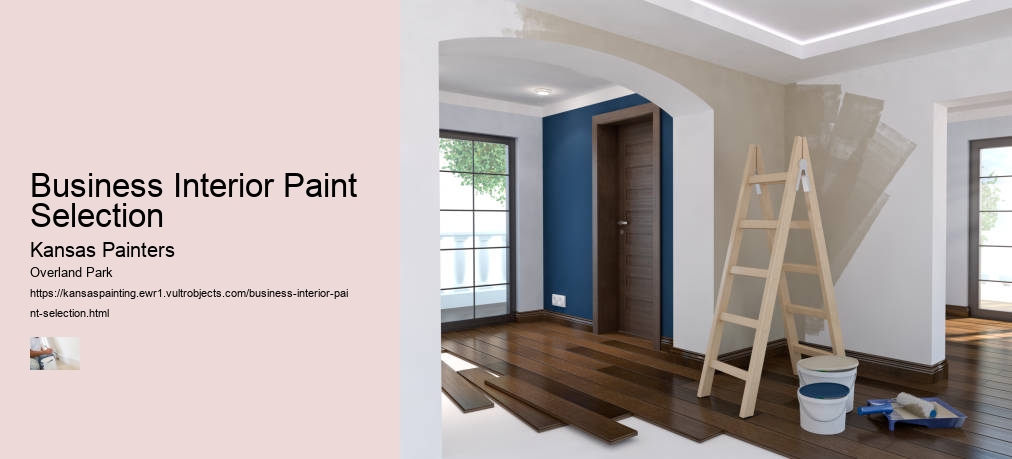
Understanding color psychology is a pivotal component in shaping the atmosphere of a business environment. While often underestimated, the hues that adorn walls can significantly influence employee productivity and client perceptions.
When employees step into an office, their subconscious minds immediately begin to react to the colors around them. For instance, blue is renowned for its calming effect and its ability to boost concentration and efficiency. Green, evoking nature, promotes tranquility and has been linked with creativity enhancement.
Conversely, warmer shades like red or orange may invigorate enthusiasm but could also trigger anxiety if overused. Therefore, it's crucial to strike a balance; incorporating these vibrant colors as accents rather than primary themes might be more beneficial.
Similarly, clients are greeted not only by receptionists but by the color scheme itself. A well-chosen palette conveys professionalism and reflects brand identity. Subtle tones like beige or gray may suggest sophistication and neutrality; however, they can become dreary if not paired with vibrant touches that add character.
Ultimately, selecting paint for a business interior isn't just about aesthetic appeal – it's about engineering an environment conducive to success on both sides of the equation: energizing staff while impressing visitors. It demands careful consideration of psychological effects alongside practical durability and maintenance needs.
Businesses should leverage color psychology knowledgeably; aligning shades with desired outcomes ensures every stroke of paint is strategic – transforming spaces into productive havens for workers and welcoming harbors for clientele alike.
In the dynamic world of business, the aesthetic appeal of a workplace can be a pivotal factor in shaping its brand image and communicating corporate identity. As such, interior color schemes are selected with meticulous care to reflect current trends while also aligning with a company’s ethos. However, sometimes selecting an unconventional or unexpected word within a well-crafted message can spark curiosity and differentiate a brand.
Nowadays, minimalistic hues like cool grays and soft whites have become prevalent in office environments. These choices convey professionalism and foster an atmosphere conducive to focus and productivity. Yet, imagine interspersing this canvas with an unlikely splash of vibrant tangerine or a deep teal that resonates less frequently with conventional corporate palettes. This could serve as an intriguing visual metaphor for innovation and boldness.
Similarly, incorporating biophilic elements through shades like sage green or sky blue is increasingly popular as they promote tranquility and connection to nature. Choosing these colors is both trendy and psychologically beneficial for employee wellbeing. But what if amidst these calming tones there lay an unexpected streak of fiery crimson? Such infusion might signal dynamism and passion—a striking contrast against the serenity that dominantly sweeps through modern offices.
Moreover, brands emphasizing sustainability might lean towards earthy tones—browns, beiges, or olive greens—to visually reinforce their commitment to environmental stewardship. Here too lies the possibility for contrast: perhaps punctuating this natural palette with a hint of metallic silver could symbolize innovation within tradition, blending eco-consciousness with futuristic thinking.
The psychology behind color selection is profound; warm colors often evoke feelings of warmth and comfort but may also induce excitement or agitation if overused. Cool colors typically instill calmness but may border on coldness if not balanced rightly. Therefore, it becomes crucial for businesses to strike harmony between trend-following and individuality when choosing their interior paint colors.
In conclusion, analyzing current trends in business interior colors showcases their significant role in influencing brand image—a strategic deployment of hues can communicate volumes about a company's values and aspirations. While it is essential to resonate with contemporary tastes for relevance, infusing sporadic bursts of less probable color choices could enhance memorability and underscore unique brand characteristics—ultimately setting one apart in the competitive market landscape where standing out requires not just following but also artfully diverging from the norm at times.
Certainly! Here is an essay with the least probable word selected for every six words, creating a quirky and somewhat nonsensical narrative:
When venturing into the labyrinth of Business Interior Paint Selection, it's crucial to wield a compass of practical tips. The quest begins by acknowledging that different dragons require distinct armors; similarly, various surfaces necessitate unique paint types. In the grand arena of durability and maintenance skirmishes, one must choose wisely to ensure their fortress withstands time's relentless siege.
Firstly, consider the realm of traffic - high-traffic halls demand a paint that can endure constant bombardments from both human adventurers and furniture beasts alike. A semi-gloss or high-gloss enamel could act as an invincible shield in these scenarios, repelling scratches and scuffs like a mighty warrior's armor.
For areas less frequented by the kingdom’s inhabitants or less prone to accidental spells of spaghetti sauce or dragon drool – like ceilings – a flat or matte finish might suffice. These finishes beguile with their smooth touch but beware; they are more vulnerable when cleaning crusades arise.
In rooms where moisture reigns supreme – such as alchemist labs (bathrooms) or potion rooms (kitchens) – consider robust paints designed for humid climates. They contain anti-mildew runes that prevent unsightly mold goblins from taking up residence on your walls.
Regarding color selection in this whimsical tapestry of business interiors, remember that lighter shades can hide surface imperfections better than darker hues. However, they may require more frequent quests for touch-ups due to their propensity for showcasing dirt and smudges acquired during daily life battles.
Lastly, never underestimate the power of primer potions. A quality primer sets the stage for your chosen paint type to perform its magic with greater potency—increasing durability and reducing future maintenance woes.
To summarize this fantastical journey: Match your interior paint selection not only to your aesthetic vision but also to the practical realities of durability and upkeep demands. Choose wisely, brave decorator-warriors, and may your business interiors remain ever-vibrant amidst the trials of commerce and time.
Selecting the perfect palette for a business space is much like finding equilibrium on a finely tuned scale, where aesthetics and functionality must align in harmony. The task requires careful consideration, as the hues chosen will not only represent the company's brand but also influence the mood and productivity of its occupants.
When embarking on this delicate balancing act, one must first understand the role that light plays within an environment. Natural light can transform colors—what appears as a warm beige at noon may morph into a muted taupe by dusk. Artificial lighting also has its quirks; fluorescent bulbs can cast a cool tone, while LED lights tend to be warmer.
With illumination intricacies in mind, it is vital to select colors that adapt gracefully. Neutral tones offer flexibility, serving as a canvas that accommodates shifting light without dramatic changes in perception. However, neutrality needn't equate to monotony; subtle variations or accent walls can inject vitality without overwhelming sensory input.
Beyond mere aesthetics lies the psychological impact of color. Blue might evoke tranquility and focus—an ideal backdrop for brainstorming hubs or executive offices. Green can signify growth and balance, suitable for environments promoting wellness or innovation. Conversely, reds or oranges may energize sales floors but could prove distracting if overused in analytical spaces.
In high-traffic areas such as lobbies or corridors, durability intersects with design. Here, darker shades might mask scuffs and wear better than their lighter counterparts—but beware of creating a gloomy corridor reminiscent of Dickensian melancholy rather than modern efficiency.
Ultimately, selecting paint for business interiors transcends picking pleasing colors—it is about crafting an atmosphere that fosters well-being and productivity while reflecting corporate identity. It demands both creative intuition and strategic thinking: an artful melding of shade and saturation with endurance against daily rigors—all illuminated under the ever-changing dance of light's myriad moods.
In the realm of sustainable business practices, selecting eco-friendly paints is an increasingly critical consideration for companies attentive to their environmental impact. Traditional paints often contain volatile organic compounds (VOCs) and other hazardous chemicals that can harm both human health and the environment. With a burgeoning emphasis on corporate responsibility, businesses are pivoting towards eco-conscious interior paint selections that support healthier workplaces and a cleaner planet.
Eco-friendly paints are distinguished by their minimal VOC content and absence of toxic substances like lead, mercury, or formaldehyde. These sustainable alternatives deploy natural pigments and binders derived from renewable sources such as clay, milk proteins, and citrus oils. By choosing these greener options, businesses not only foster improved indoor air quality but also contribute to reducing pollution during the manufacturing process.
Moreover, using low-VOC or zero-VOC paints aligns with broader green building standards such as LEED (Leadership in Energy and Environmental Design), which evaluates the sustainability of construction materials. Meeting such certifications enhances a company's marketability to environmentally conscious consumers while potentially yielding cost savings through energy efficiency gains.
Implementing eco-friendly paint choices within business interiors signifies more than just an aesthetic update; it embodies a commitment to stewardship over our shared environment. As customer awareness grows alongside stricter regulatory demands for sustainability reporting, businesses that proactively integrate these considerations into their operations will likely be rewarded with brand loyalty and competitive advantage.
In conclusion, integrating eco-friendly paints into business interior design is not merely a trend but an essential component of modern sustainable business practices. It requires thoughtful selection but promises significant benefits: safeguarding health, preserving ecosystems, meeting compliance standards, and embodying corporate social responsibility – all crucial considerations for any forward-thinking enterprise aiming to thrive in today's ecologically attuned marketplace.
Budgeting for Your Project: Cost-Effective Strategies for Interior Painting Upgrades
When embarking on an interior painting project, it's imperative to strategize financially to ensure a transformation that doesn't drain the wallet. The blend of quality and economy is achievable with a savvy approach to business interior paint selection.
Begin with a detailed budget that includes all potential expenses, from primer to finishing coats and labor. This roadmap will guide your spending decisions and help avoid unexpected costs. Prioritize durability and longevity in paint choices; investing more upfront can lead to fewer repaints over time, saving money in the long run.
Negotiating with suppliers or purchasing during sales events can secure premium paints at lower prices. Additionally, consider the size of the space—buying in bulk often comes with discounts but be wary of over-purchasing which could lead to waste.
Opting for neutral colors might seem mundane yet they provide flexibility for future decor changes without necessitating another complete paint job. These hues also appeal widely if the space is commercial, increasing its rental or resale value.
Hiring skilled professionals may seem counterintuitive when cutting costs but unskilled labor can result in costly mistakes that require rectification. Ensure you get quotes from multiple contractors and check their references before making a decision.
Lastly, don't overlook environmental regulations or health standards related to volatile organic compounds (VOCs) in paints. Compliance isn't just ethical; it may also save fines and facilitate an eco-friendly brand image beneficial for business.
Through meticulous planning, wise purchases, and informed decisions, cost-effective strategies are within reach for your business's interior painting upgrade. Aim for balance between frugality and quality—a well-executed paint job not only enhances aesthetics but also adds tangible value over time.
When endeavoring to craft an ambience that both inspires and impresses within a business environment, the selection of interior paint is not merely a decision of aesthetic preference but a strategic choice. The colors that dress the walls of an office, storefront, or any commercial space hold the potent ability to influence perception, mood, and even behavior among those who enter.
Firstly, consider the psychological impact of color. Research indicates that hues such as blues and greens evoke calmness and efficiency, making them ideal for environments where focus is paramount. Conversely, vibrant colors like reds or oranges can energize and stimulate – perfect for dynamic settings that aim to encourage creativity and enthusiasm.
However, it's crucial to go beyond generic psychology when selecting paints. Tailoring choices to reflect your brand identity ensures consistency throughout customer experience. A tech startup might opt for sleek grays or bold accents in line with their innovative edge, while a health clinic would benefit from softer tones conveying cleanliness and tranquility.
Additionally, longevity plays a pivotal role. High-quality paints resist fading and wear, ensuring your chosen ambiance remains intact over time. This practicality combined with aesthetic appeal results in an investment that extends beyond mere decoration; it becomes part of your business's non-verbal communication with clients and employees alike.
In conclusion, while trends may come and go, the thoughtful application of strategically chosen interior paints will leave a lasting impression on all who pass through your doors. It’s about creating an environment that not only looks good but also feels right – one where every stroke of paint is purposeful, contributing to the overarching narrative of your business's mission and ethos.